The thighs are one of the most common areas where fat accumulation occurs easily,
yet remains resistant to reduction through diet and exercise alone.
In particular, the inner and outer thighs tend to retain localized fat deposits
even after overall weight loss, due to lower lipolytic activity in these regions.
For this reason, thigh liposuction has evolved beyond a simple cosmetic procedure
into a more structured, medically guided approach to body contouring.
However, the key determinant of outcomes is not merely fat removal,
but how the procedure is designed and managed.
Thigh Liposuction: From Volume Reduction to Proportional Design

Thigh liposuction involves the selective removal of subcutaneous fat
to refine and reshape the contour of the thighs.
In clinical practice, the total volume of fat removed is less important than
the following structural considerations:
- Balance between anterior and posterior thigh volume
- Inner thigh spacing (thigh gap formation)
- Adjustment of lateral bulging areas
- Continuity of the contour toward the knee
Excessive fat removal may lead to complications such as
irregular contours, asymmetry, or unnatural transitions.
Therefore, thigh liposuction should be approached as a
design-focused procedure based on anatomical proportions,
rather than simple fat reduction.
Key Considerations Before the Procedure
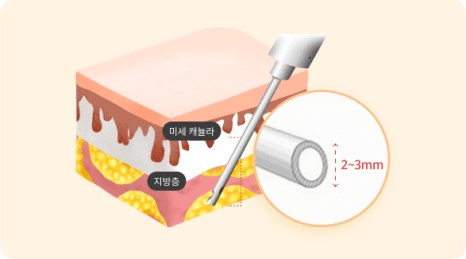
1. Cannula Diameter and Tissue Preservation
The cannula used during liposuction plays a critical role
in determining both precision and tissue trauma.
While conventional procedures often use cannulas ranging from 4–7 mm,
advanced techniques utilize micro-cannulas of approximately 2–3 mm.
This allows for:
- High-precision fat removal
- Reduced risk of vascular and nerve injury
- Decreased bruising and swelling
- Faster recovery time
Such precision is particularly important in the thigh region,
where smooth curvature and balanced contouring are essential.
2. Continuity in Physician-Led Care

Thigh liposuction is not a standalone intervention,
but a comprehensive process involving full-body contour consideration.
A structured medical system should include:
- Consistent physician involvement from consultation to post-care
- Ongoing evaluation of patient-specific body structure
- Immediate response capability for complications
Continuity of care directly contributes to both safety and outcome quality.
3. Postoperative Management Protocol
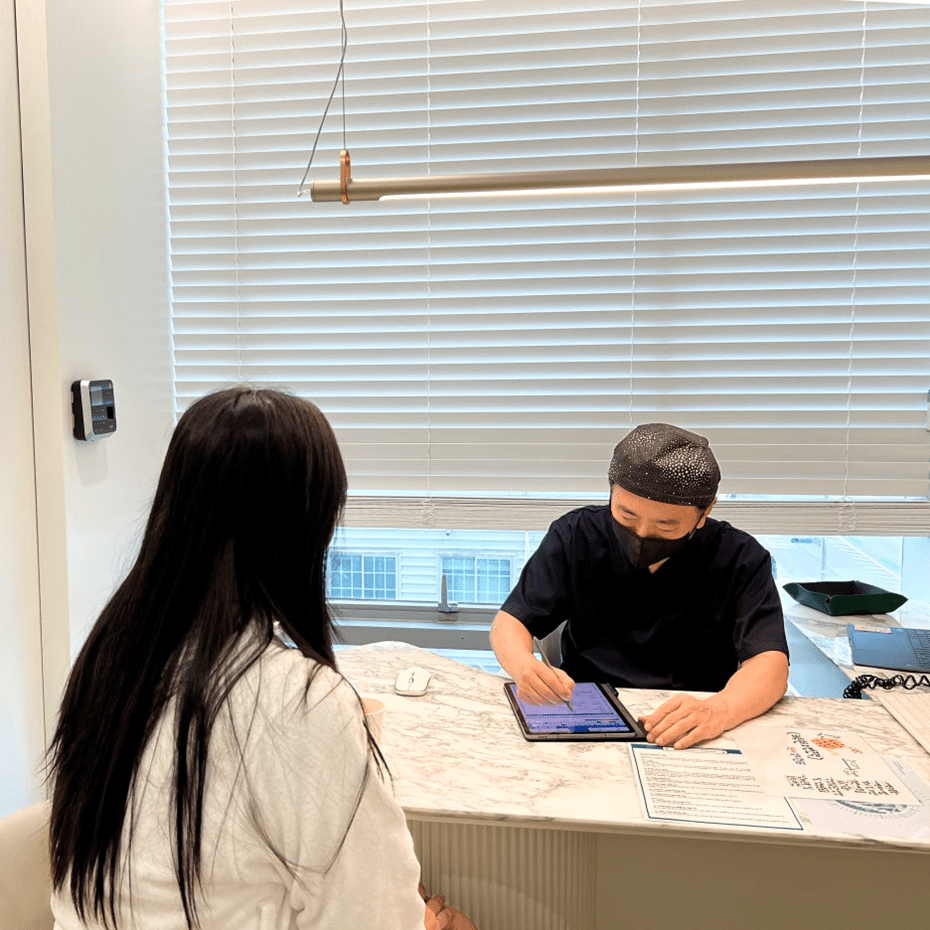
Postoperative care is a decisive factor
in determining the final aesthetic result.
The first 2 to 4 weeks following the procedure
are particularly critical for tissue stabilization and contour formation.
Core elements include:
- Compression garments → promote tissue adherence and contour stability
- Activity and posture control → reduce edema and fluid retention
- Supportive therapies → enhance lymphatic drainage and skin recovery
Inadequate postoperative care may result in
prolonged swelling, contour irregularities, or asymmetry.
From Disposal to Regeneration: Clinical Value of SVF
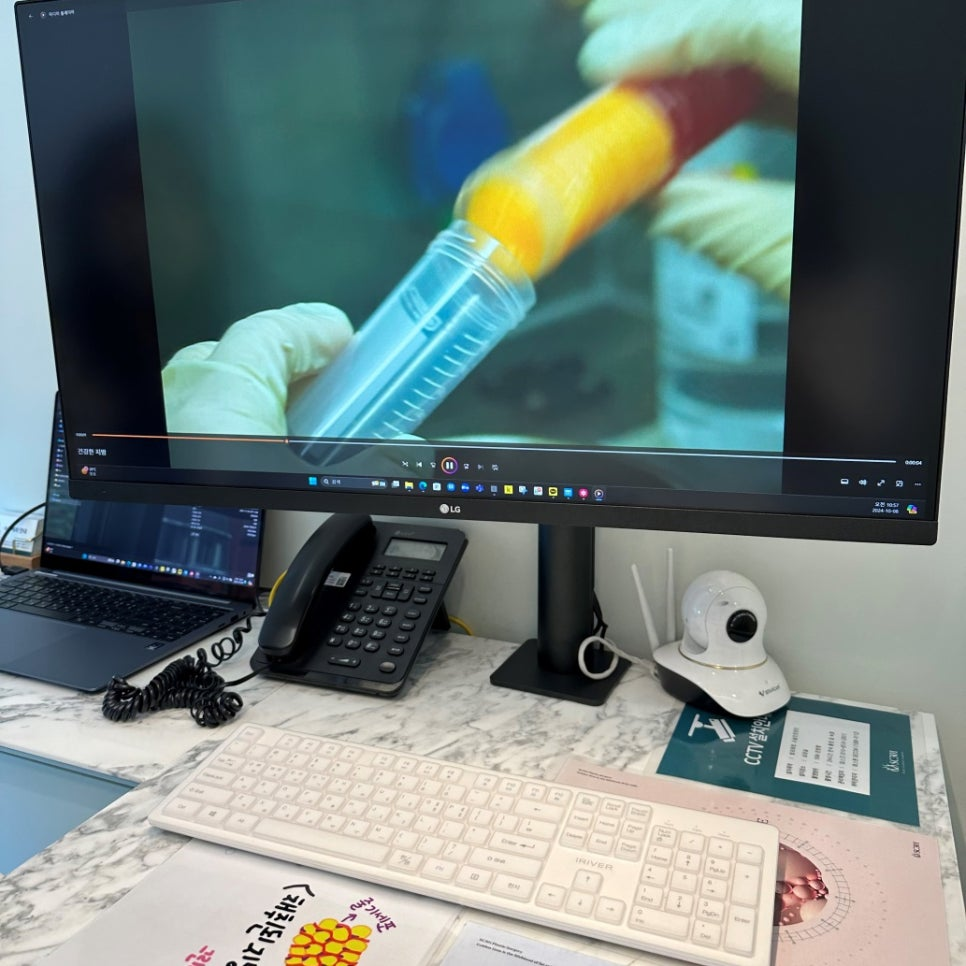
Traditionally, aspirated fat was discarded after liposuction.
However, recent advancements have enabled its use
as a valuable resource in regenerative medicine.
SVF (Stromal Vascular Fraction), derived from adipose tissue,
contains a heterogeneous population of regenerative cells
that play a key role in tissue repair and vascularization.
When purified SVF is combined with processed fat for grafting,
the following benefits may be achieved:
- Improved fat graft survival rate
- Enhanced angiogenesis (new blood vessel formation)
- More natural and long-lasting volume
- Improvement in skin elasticity and quality
This approach represents a significant advancement
over conventional fat grafting techniques.
SC301 Cell Banking System: A Long-Term Regenerative Strategy
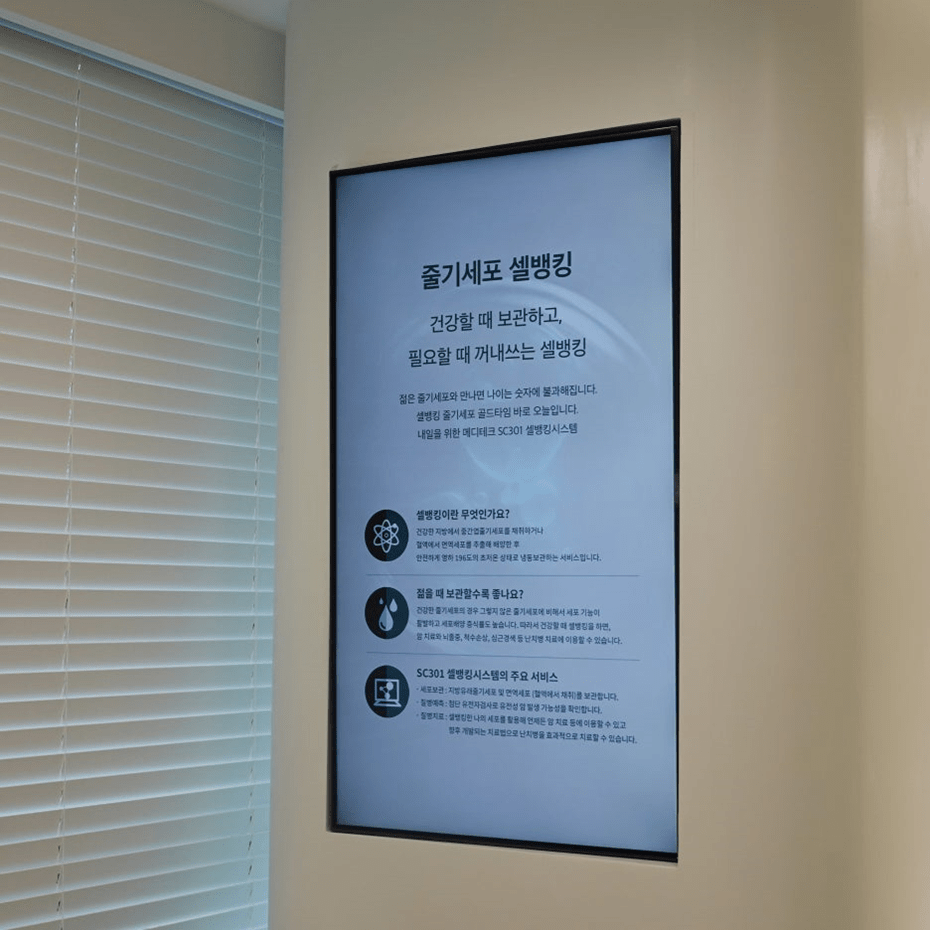
SVF is not limited to immediate use;
it can also be preserved for future applications.
The SC301 Cell Banking System stores SVF
in ultra-low temperature conditions (approximately -196°C),
maintaining cellular viability over time.
Key advantages include:
- On-demand use for future procedures
- Application in facial volumization or breast fat grafting
- Potential use in skin regeneration and anti-aging treatments
This transforms liposuction from a one-time procedure
into a long-term biological asset strategy.
The Core Principle is Balance
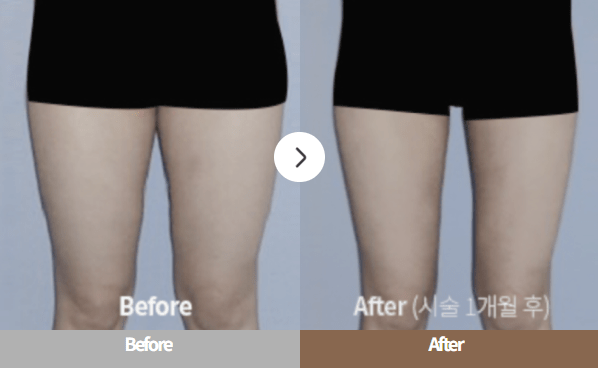
Thigh liposuction is not merely about fat removal.
It is a comprehensive process that integrates:
- Anatomical understanding and proportional design
- Precision techniques with minimal tissue damage
- Structured postoperative care
- Regenerative applications using SVF
Rather than aggressive fat reduction,
a balanced and strategically designed approach
is essential for achieving natural and sustainable outcomes.
#Thigh Liposuction
#SC301 Clinic
Official Website:
https://www.sc301.co.kr
 SC301의원
댓글 남기기