Ultherapy Lifting: Mechanism, Effects, and SVF Facial Rejuvenation for Natural Anti-Aging
Hello,
Many people recently notice that their facial contours appear flatter than before, or that their overall impression looks more tired when they look in the mirror. This is not just subjective perception, but is closely related to structural changes caused by aging.
Over time, collagen and elastin levels in the skin decrease, and the subcutaneous fat layer gradually diminishes. As a result, both facial volume and structural support weaken, leading to sagging, loss of elasticity, and blurred facial contours.
To address these complex aging patterns, a more comprehensive and structural approach—rather than a single treatment—has been gaining attention. One of the most representative procedures is Ultherapy lifting.
Mechanism and Characteristics of Ultherapy
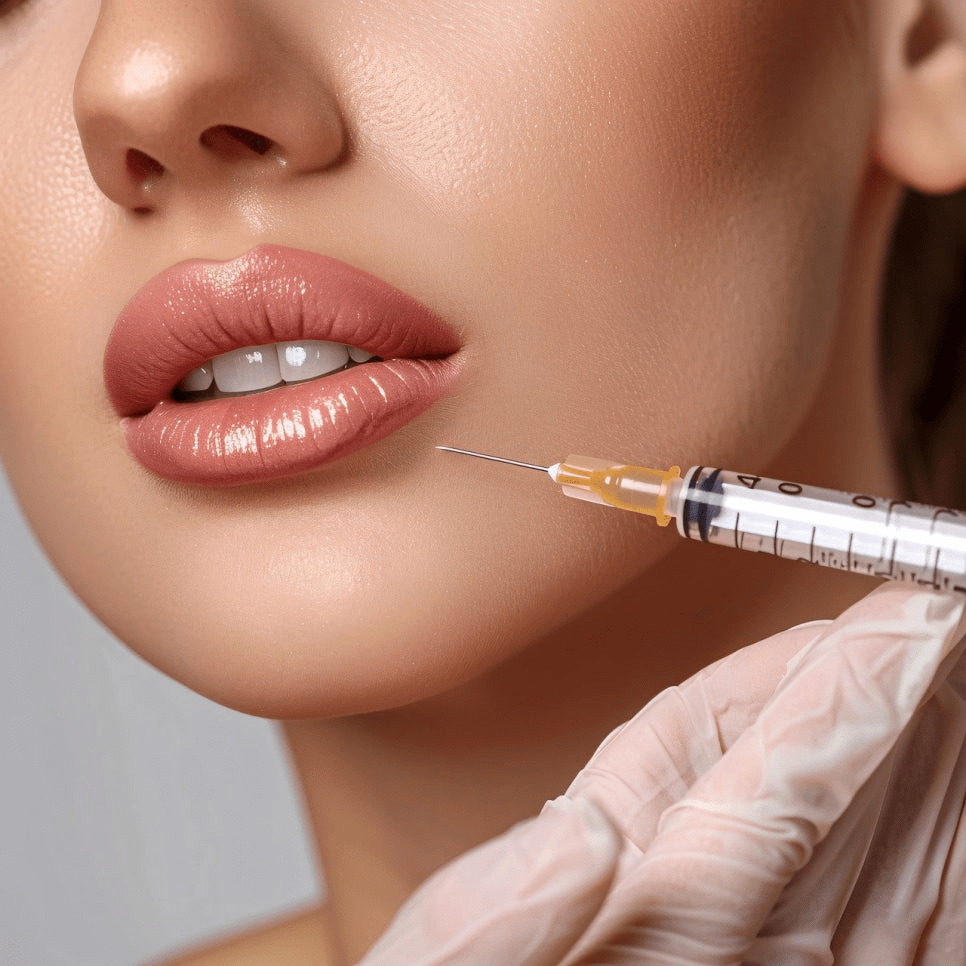
Ultherapy utilizes High-Intensity Focused Ultrasound (HIFU) to deliver energy to deeper layers of the skin, including the SMAS layer.
The ultrasound energy is precisely focused at specific depths, creating thermal coagulation points at approximately 60–70°C, while minimizing damage to surrounding tissues.
This process induces the following physiological responses:
- Stimulation of collagen regeneration
- Tissue contraction and lifting effect
- Improvement in skin elasticity
Since Ultherapy does not involve incisions or surface damage, it allows for minimal downtime and a relatively quick return to daily activities.
The results are not immediate but develop gradually, typically becoming noticeable around 3 to 4 weeks after the procedure due to collagen remodeling.
Importance of Personalized Ultherapy
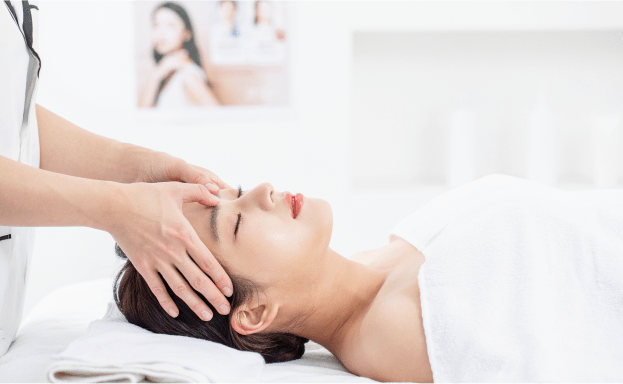
The effectiveness of Ultherapy depends not only on the device but also on a customized approach based on individual skin structure.
Factors such as skin thickness, fat distribution, SMAS condition, and degree of sagging must be considered when determining energy depth, intensity, and shot count.
For example:
- Thin skin → primarily 3.0 mm depth
- Thick fat layer → deeper targeting at 4.5 mm
- Facial asymmetry → adjusted shot distribution on each side
Recently, AI-based skin diagnostic systems have been introduced to analyze these variables more precisely, helping reduce unnecessary procedures and improve overall outcomes.
Key Considerations for Ultherapy

Although Ultherapy is generally considered safe, it is still an energy-based procedure that requires careful planning.
Important considerations include:
- Practitioner’s clinical experience and anatomical understanding
- Appropriate energy settings and shot count
- Pain management (sedation may be considered if needed)
- Customized treatment planning based on skin condition
In cases involving higher shot counts (e.g., 400 shots or more), maintaining patient stability during the procedure is important, as discomfort may lead to movement that could affect precision.
Limitations of Ultherapy and the Role of SVF Facial Rejuvenation
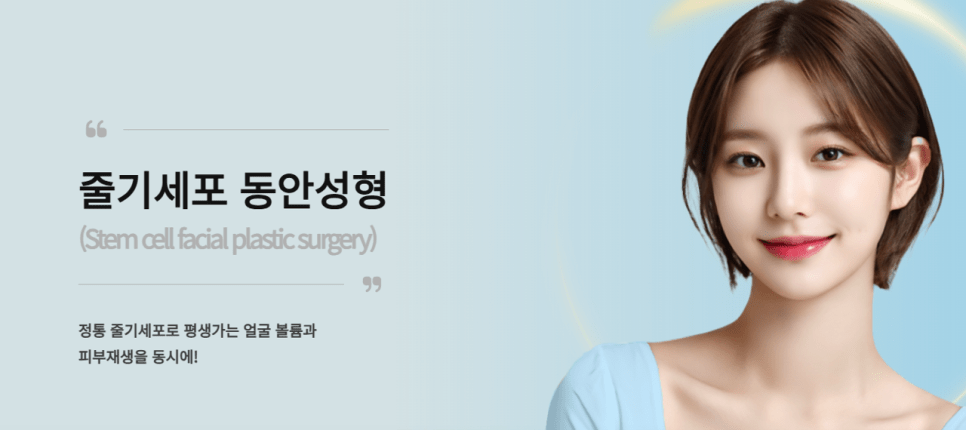
While Ultherapy is effective for improving skin laxity, it has limitations in restoring lost facial volume.
To complement this, regenerative approaches such as SVF (Stromal Vascular Fraction) facial rejuvenation are increasingly being considered.
What is SVF Facial Rejuvenation?
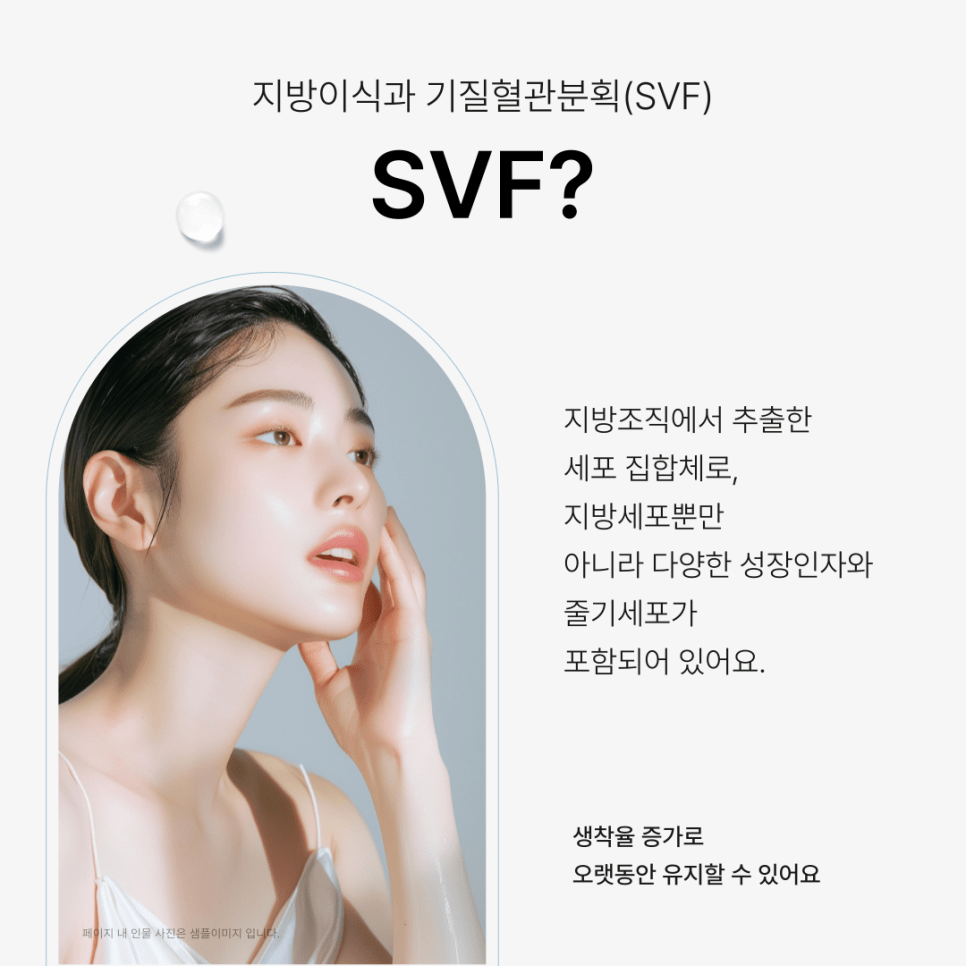
SVF facial rejuvenation involves the use of adipose-derived cellular components extracted from the patient’s own fat tissue.
Fat is typically harvested from areas such as the abdomen or thighs, then processed to isolate SVF, which is subsequently applied to areas requiring volume and skin improvement.
SVF contains various cellular components, including:
- Adipose-derived stem cells
- Cells involved in angiogenesis
- Regenerative and supportive tissue cells
This approach goes beyond simple volume augmentation by promoting tissue regeneration and improving the overall skin environment.
Features of the SC301 SVF System
At SC301, SVF facial rejuvenation focuses on precision in cell processing and quality control.
- Advanced separation and purification of SVF using dedicated equipment
- Customized ratio of purified fat and SVF based on individual conditions
- Emphasis on natural-looking volume restoration
Additionally:
- Cryopreservation system at -196°C (cell banking)
- Protocols based on clinical research and data
- Reported average graft survival rate of approximately 77.48%
These elements contribute to a more structured and reliable treatment approach.
Choosing the Right Treatment Approach
Anti-aging treatments should be selected based on individual skin conditions and aging patterns rather than a one-size-fits-all method.
- Primarily skin laxity → Ultherapy
- Volume loss → SVF facial rejuvenation
- Combined aging signs → sequential or combined approach
A tailored strategy allows for more natural and stable results over time.
Aging is not limited to surface-level skin changes but involves deeper structural transformations.
Understanding and appropriately selecting treatments such as Ultherapy for lifting and SVF for regenerative volume restoration is essential.
With accurate diagnosis and thorough consultation, it is possible to achieve subtle, natural-looking improvements without excessive or artificial changes.
 SC301의원
댓글 남기기