SVF Stem Cell Fat Grafting Breast Revision: A Strategic Approach to Implant Complication Correction and Natural Breast Reconstruction | SC301
As time passes after breast augmentation,
patients may experience changes that differ from their initial expectations—
including unnatural firmness, shape distortion, or implant-related complications.
Rather than simply replacing implants,
there is a growing demand for
more natural, tissue-friendly reconstruction approaches.
Among these,
SVF stem cell fat grafting breast revision
has emerged as a clinically relevant alternative.
In this article, we will outline the primary causes of revision surgery
and explain SC301’s approach using
SVF stem cell fat grafting breast revision techniques
from a medical perspective.
Common Indications for Breast Revision Surgery
1. Capsular Contracture
Capsular contracture occurs when the fibrous capsule surrounding the implant
tightens excessively, leading to firmness, pain, and deformity.
In moderate to severe cases,
implant removal and capsulectomy are often required,
followed by an appropriate reconstructive strategy.
2. Breast Asymmetry
Differences in chest wall anatomy, soft tissue thickness,
or implant displacement over time
can result in noticeable asymmetry.
This is not merely a volume issue,
but rather a structural and anatomical imbalance
that requires a tailored approach.
3. Upper Pole Fullness Deformity
Inappropriate implant size or positioning
can lead to excessive fullness in the upper breast,
creating an unnatural contour.
Correction typically involves
redistributing volume to achieve a more natural lower pole dominance.
Importance of Accurate Preoperative Assessment
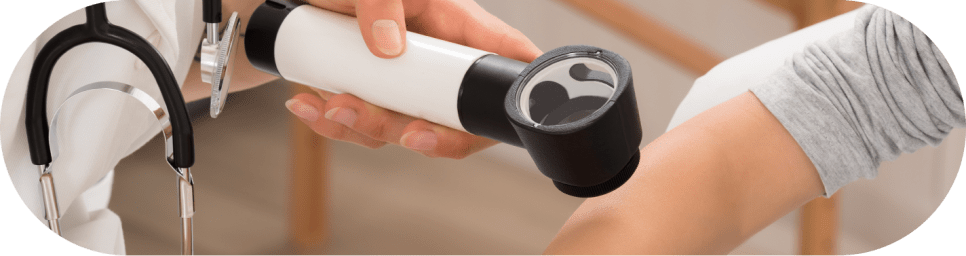
Breast revision surgery is inherently more complex than primary augmentation
due to altered tissue conditions and increased variability.
Key factors include:
- Capsule condition
- Residual tissue thickness
- Vascularity and fat graft viability
- Skin elasticity
Therefore,
precise diagnostic evaluation and individualized surgical planning
are essential to achieving stable outcomes.
Medical Concept of SVF Stem Cell Fat Grafting

SVF stem cell fat grafting breast revision
combines autologous fat transfer with
Stromal Vascular Fraction (SVF),
aiming not only to restore volume
but also to improve the regenerative microenvironment.
SVF contains a heterogeneous cell population, including:
- Adipose-derived stem cells (ADSCs)
- Endothelial cells
- Growth factor-secreting cells
These components contribute to:
✔️ Enhanced fat graft survival
✔️ Promotion of neovascularization
✔️ Improved tissue regeneration
This approach is particularly beneficial
after implant removal,
where tissue may be compromised or thinned.
Key Features of SC301 SVF Breast Revision
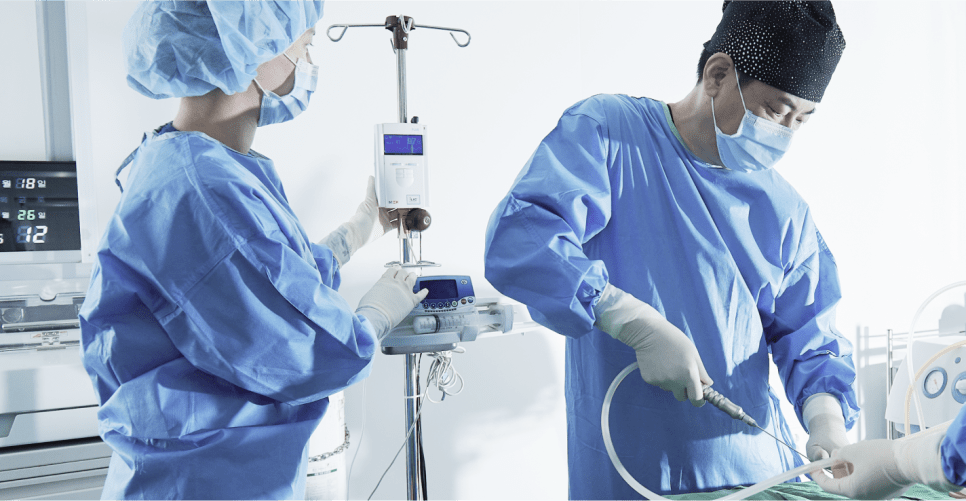
✔️ Tissue-Friendly Reconstruction
Utilizes autologous tissue to minimize foreign body reactions
and achieve natural texture and movement.
✔️ Survival-Oriented Fat Grafting
Incorporates SVF to optimize graft retention and stability.
✔️ Anatomically Tailored Design
Considers chest structure, skin condition, and tissue characteristics
for balanced, three-dimensional outcomes.
✔️ Integrated Postoperative Care
Includes edema control, tissue stabilization,
and nutritional support for recovery optimization.
Ideal Candidates
SVF stem cell fat grafting breast revision may be suitable for patients who:
- Desire implant removal with natural reconstruction
- Have a history of capsular contracture or multiple revisions
- Seek improved softness and mobility
- Require correction of asymmetry or contour deformities
- Need enhanced fat graft survival
SC301 Revision Protocol
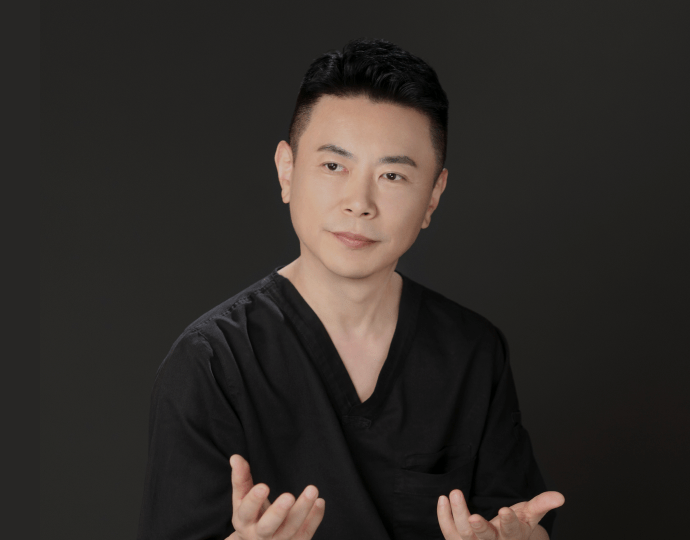
SC301 applies a structured, multi-step protocol
tailored to the complexity of revision surgery:
1. Advanced Diagnostics
Ultrasound, 3D imaging, and body composition analysis
to assess tissue conditions and surgical feasibility.
2. Preoperative Conditioning
Personalized preparation to optimize fat harvest and graft survival.
3. Surgical Technique
Purified fat combined with SVF is injected
using a multi-layered, micro-distribution technique
to ensure precision and viability.
4. Postoperative Management
Long-term monitoring of graft stability,
inflammation control, and tissue recovery.
Breast revision surgery is not simply corrective—
it is a complex process that requires
both functional restoration and aesthetic refinement.
SVF stem cell fat grafting breast revision
represents a modern reconstructive strategy
that prioritizes natural results and biological compatibility.
For patients seeking a safer and more natural alternative
to implants,
this approach offers a meaningful solution.
If you are considering revision surgery,
a thorough evaluation and personalized treatment plan
are essential first steps.
 SC301의원
댓글 남기기