Postpartum Breast Sagging: Causes and Advanced Solutions Including SVF Stem Cell Fat Grafting
After pregnancy and breastfeeding, many women experience noticeable changes in breast shape, including volume loss, sagging, and decreased firmness.
These changes are not merely aesthetic but are the result of structural and physiological alterations in breast tissue.
In this article, we will provide a professional overview of:
- The anatomical causes of postpartum breast sagging
- Surgical and non-surgical correction approaches
- The role of SVF (Stromal Vascular Fraction)–assisted fat grafting
Anatomical Causes of Breast Sagging After Pregnancy
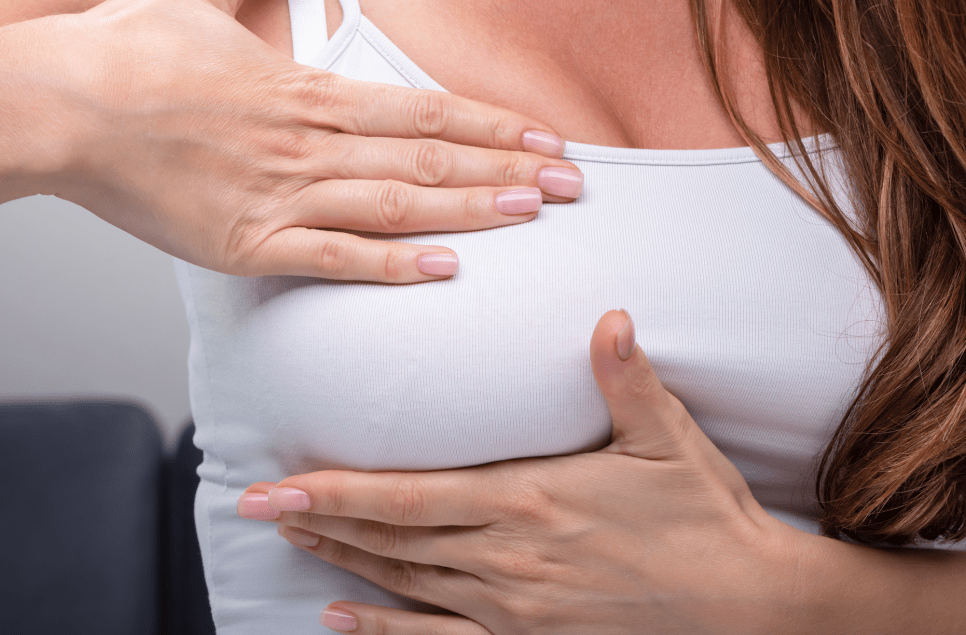
The breast is composed of:
- Glandular tissue
- Adipose (fat) tissue
- Cooper’s ligaments
- Skin and subcutaneous tissue
During pregnancy and lactation:
- Glandular tissue undergoes hypertrophy and expansion
- This leads to stretching of the skin and Cooper’s ligaments
After breastfeeding ends:
- Glandular tissue regresses (involution)
- However, stretched skin and ligaments often do not fully recover
This results in:
✔ Breast ptosis (sagging)
✔ Upper pole volume deficiency
✔ Decreased skin elasticity
Key Treatment Principle: Structural Restoration Over Volume
A common misconception is that restoring volume alone can correct sagging.
However, the primary goal should be:
Restoration of breast position, contour, and structural support
✔ Mastopexy (Breast Lift)
This is the fundamental surgical procedure for correcting ptosis:
- Removal of excess skin
- Repositioning of breast tissue
- Elevation of the nipple-areolar complex
Additional procedures may include:
- Implant augmentation
- Autologous fat grafting
to enhance volume and contour.
Implants vs. Autologous Fat Grafting
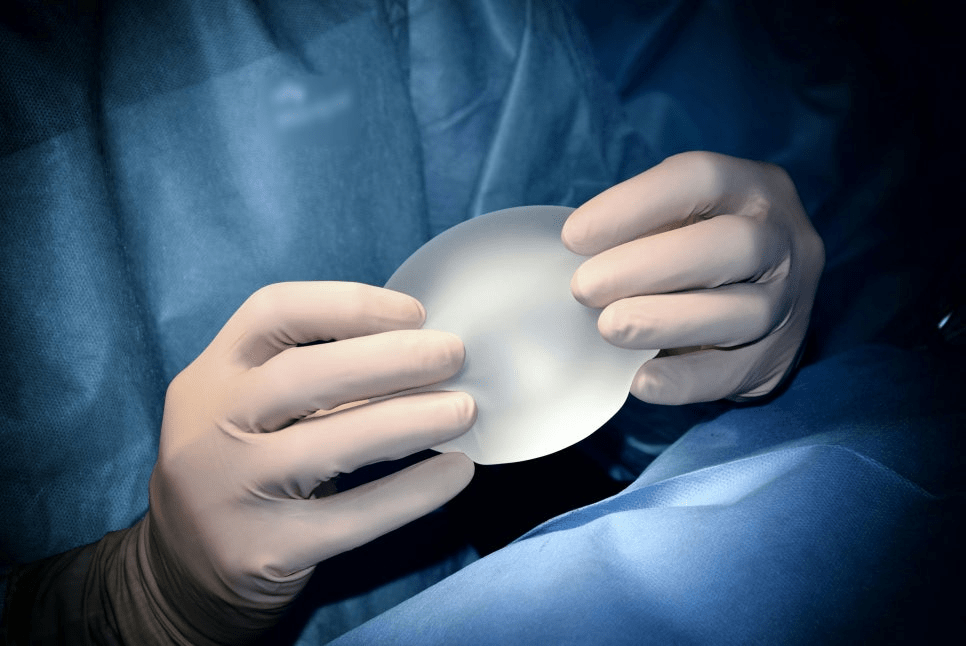
✔ Breast Implants
- Provide immediate and predictable volume
- Allow precise size control
- However, carry risks such as capsular contracture and foreign body response
✔ Autologous Fat Grafting
- Uses the patient’s own fat tissue
- Offers superior biocompatibility
- Produces a more natural look and feel
- Enables refined, customized contouring
As a result, fat grafting is increasingly preferred for patients seeking natural outcomes.
Limitation of Fat Grafting: Engraftment Rate
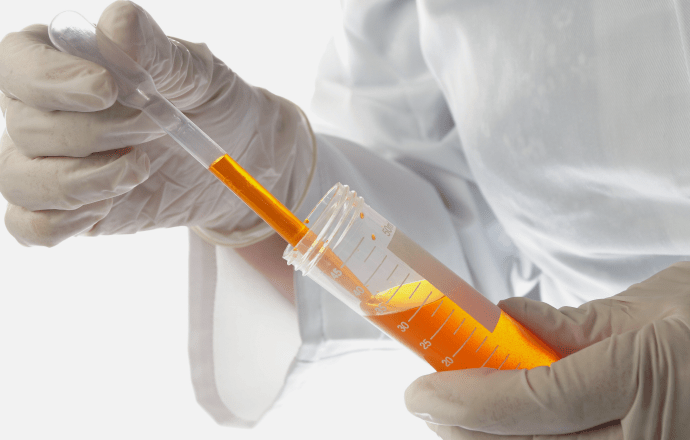
The most critical factor in fat grafting is:
Engraftment (survival) rate
After transplantation:
- Only a portion of fat cells establish blood supply and survive
- The rest may undergo resorption or necrosis
Potential limitations include:
✔ Partial volume loss
✔ Irregular distribution
✔ Risk of calcification or cyst formation
What Is SVF-Assisted Fat Grafting?
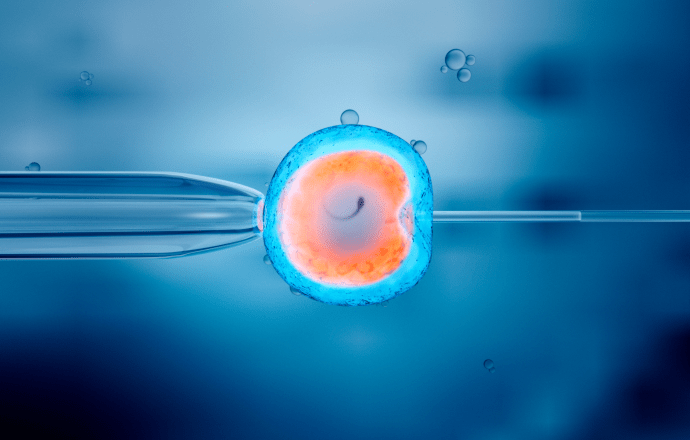
To overcome these limitations,
SVF (Stromal Vascular Fraction)–assisted fat grafting has been introduced.
SVF is a cellular component derived from adipose tissue, containing:
- Adipose-derived stem cells (ADSCs)
- Endothelial cells
- Immune-regulatory cells
When combined with purified fat:
✔ Promotes angiogenesis (new blood vessel formation)
✔ Enhances fat cell survival
✔ Improves tissue regeneration and stability
Clinical Advantages of SVF Fat Grafting
- Higher fat survival rates
- Improved volume retention
- More uniform fat distribution
- Enhanced softness and natural texture
This represents a shift from simple volume augmentation
to a regenerative, tissue-based approach.
SC301’s Engraftment-Focused Protocol
At SC301, SVF fat grafting is approached as a
comprehensive, protocol-driven procedure, not a single technique.
✔ Key Components
- Optimized fat harvesting and purification
- SVF isolation and application
- Layer-specific injection techniques
- Postoperative hyperbaric oxygen therapy (HBOT)
- Skin and tissue recovery care
- Continuous follow-up monitoring
The primary goal is:
Maximizing engraftment and long-term stability
Other Causes of Breast Sagging
Breast ptosis is not limited to postpartum changes.
Other contributing factors include:
- Rapid weight loss
- Aging and decreased skin elasticity
- Genetic predisposition
- Lifestyle factors (gravity, bra support habits)
Importance of Personalized Treatment
Postpartum breast changes are natural,
but treatment should be tailored to individual anatomy and goals.
Depending on the condition, options include:
- Mastopexy alone
- Mastopexy with fat grafting
- SVF-assisted fat grafting
The most important considerations are:
✔ Accurate anatomical assessment
✔ Structural correction rather than simple filling
✔ Long-term outcomes and fat survival
Postpartum breast changes are the result of
complex structural and biological processes.
Therefore, the focus should not be:
“How much volume to add”
but rather
“How to restore structure and stability”
Careful evaluation and informed decision-making
are essential for achieving optimal and natural results.
 SC301의원
댓글 남기기