Limitations of Breast Augmentation in Thin Body Types and a Natural Alternative with SVF Breast Augmentation
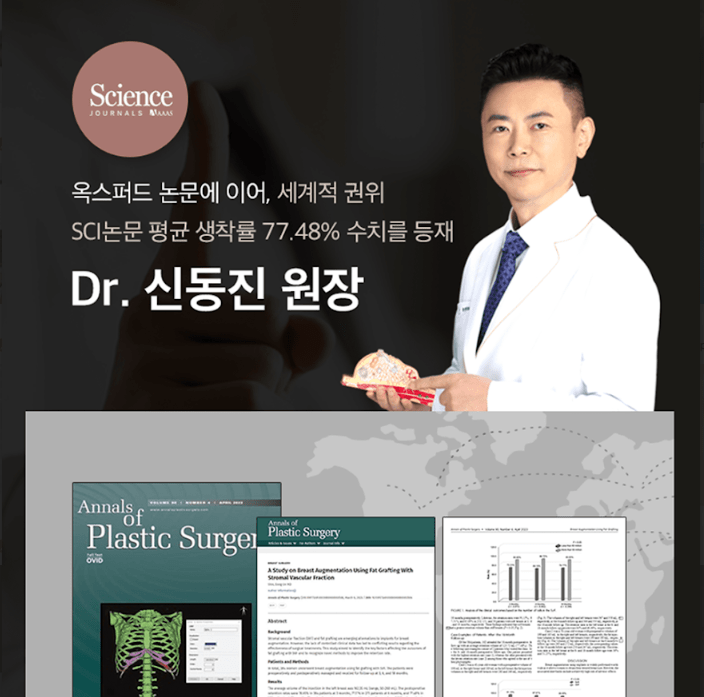
Why Breast Augmentation Feels Limited in Thin Body Types
Hello,
When considering breast augmentation,
patients with a thinner body type often feel that their options are limited.
In particular, characteristics such as:
- Low subcutaneous fat
- Thin skin thickness
- Limited soft tissue coverage
can make it more challenging to achieve natural-looking results with conventional implant-based procedures.
This is not simply a matter of body shape,
but rather a difference arising from anatomical conditions and tissue characteristics.
Limitations of Implant-Based Breast Augmentation
In patients with a thin body type,
implant-based augmentation may present certain challenges, including:
- Visible implant edges
- Unnatural tactile sensation
- Prominent upper pole contour
- Discomfort due to tissue pressure
Additionally, when soft tissue coverage is insufficient,
the risk of complications such as capsular contracture
may be perceived as higher.
For these reasons, in thinner patients,
it is important to prioritize tissue compatibility and natural outcomes
over simply increasing volume.
Concept and Characteristics of SVF Breast Augmentation
SVF Breast Augmentation is a technique that utilizes
autologous fat tissue combined with
Stromal Vascular Fraction (SVF) cells derived from the patient’s own fat.
The procedure generally involves:
- Harvesting fat from areas such as the abdomen, thighs, or flanks
- Isolating and purifying fat along with SVF components
- Injecting the refined tissue into the breast in micro-aliquots
Because this method does not involve foreign implants,
it allows for volume enhancement using the patient’s own tissue,
which can contribute to a more natural look and feel.
Significance of SVF Breast Augmentation in Thin Patients
In thinner individuals,
rather than pursuing excessive volume,
it is essential to consider:
- Body proportion
- Skin elasticity
- Tissue adaptability
SVF Breast Augmentation allows for precise volume control,
making it a suitable option for patients seeking subtle and natural enhancement.
Additionally, as the transferred tissue integrates gradually,
the overall change tends to appear more natural over time.
Fat Harvesting and Preoperative Preparation
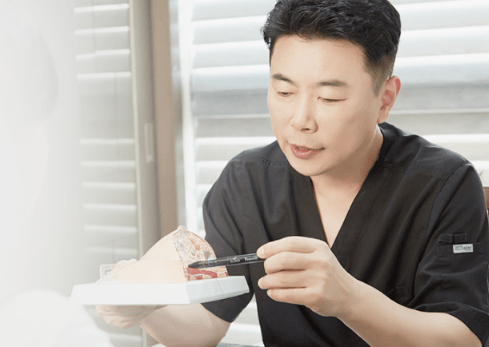
One of the most common concerns among thin patients is
whether sufficient fat can be harvested.
In many cases,
adequate fat can still be obtained from areas such as:
- Abdomen
- Thighs
- Flanks
However, depending on individual body composition,
preoperative preparation may be recommended, including:
- Body weight and fat percentage optimization
- Nutritional management
- Overall condition improvement
These steps help create a more favorable environment for fat grafting.
Key Factors Affecting Fat Graft Survival
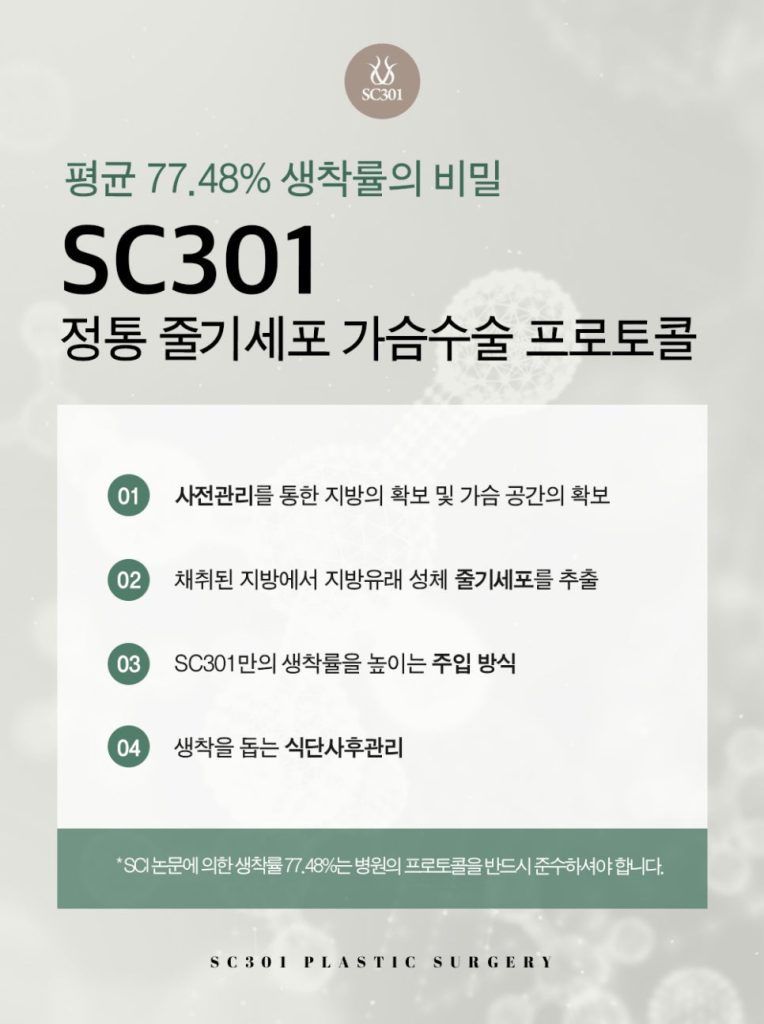
The outcome of SVF Breast Augmentation is not determined solely by the volume injected,
but rather by the graft survival environment.
Key factors include:
- Adequate creation of recipient space (breast pocket)
- Minimization of tissue compression
- Even distribution through micro-injection techniques
- Maintenance of proper blood supply
When these conditions are optimized,
the survival rate of the transferred fat can be significantly improved.
Importance of SVF Extraction and Processing
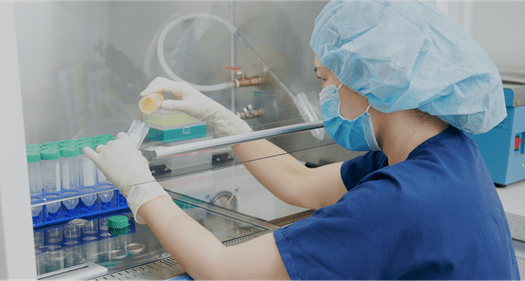
A critical factor in SVF Breast Augmentation is
the precision of the SVF extraction and processing method.
Since cells are highly sensitive to environmental conditions such as:
- Temperature
- Pressure
- Handling techniques
it is essential to ensure:
- A controlled and stable processing environment
- Use of precise equipment
- Standardized protocols
Higher precision in this process
is closely associated with more stable and predictable outcomes.
The Right Approach for Thin Body Types
Breast augmentation in thin patients
is not simply about whether the procedure is possible,
but about selecting the most appropriate method for the individual anatomy.
For those who are concerned about implant-based procedures,
SVF Breast Augmentation can serve as a natural alternative
for achieving subtle and refined volume enhancement.
Ultimately, successful outcomes depend on:
- Individual anatomical assessment
- Tissue condition evaluation
- Personalized treatment planning
These factors together form the foundation
for achieving natural and stable results.
 SC301의원
댓글 남기기