Stem Cell (SVF) Breast Augmentation: Understanding Engraftment Rates, Repeat Procedures, and Key Clinical Selection Criteria
1. Why Stem Cell (SVF) Breast Augmentation Is Gaining Attention
In recent years, stem cell-based breast augmentation has gained increasing attention in aesthetic medicine as an alternative to implants, particularly for individuals seeking more natural results while avoiding concerns related to foreign materials and implant safety.
Among these approaches, techniques utilizing Stromal Vascular Fraction (SVF) derived from adipose tissue have been highlighted for their potential to improve graft survival rates compared to conventional fat grafting.
However, with growing demand, a wide range of clinics now offer similar procedures, raising concerns about variability in clinical quality and outcomes.
2. Structural Characteristics of SVF-Based Breast Augmentation
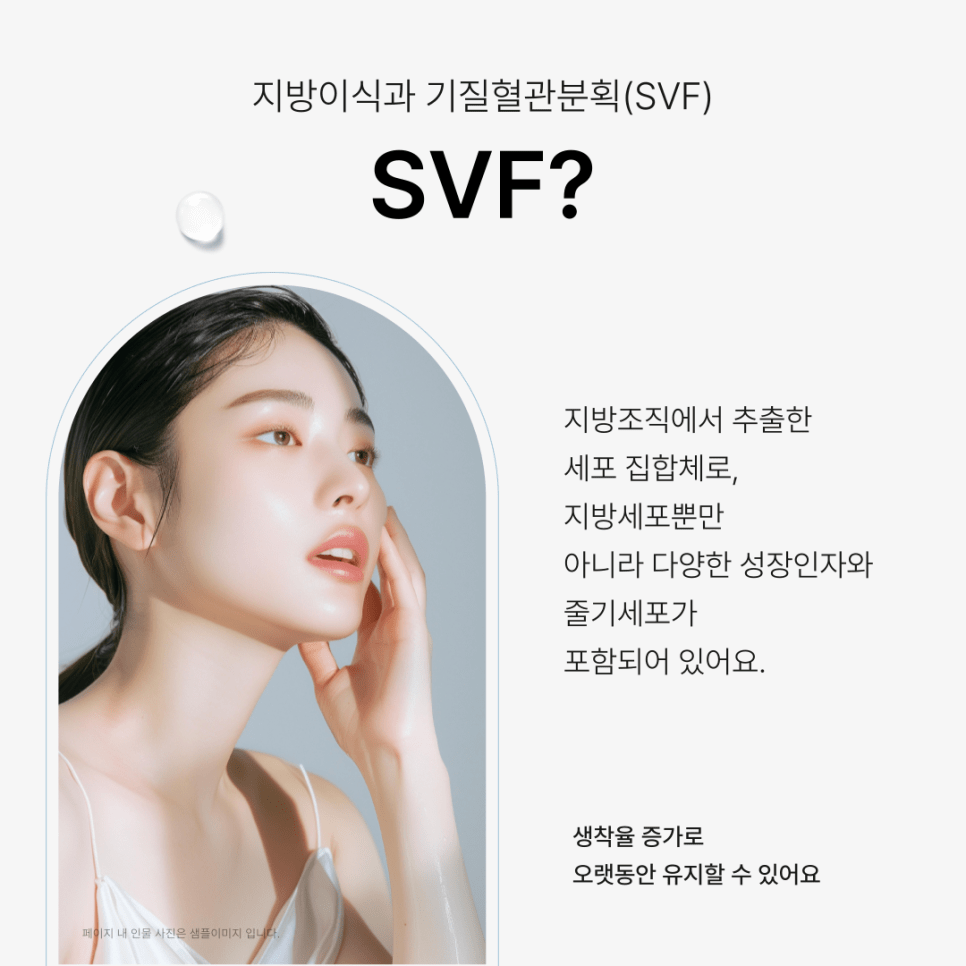
Unlike conventional fat grafting, SVF-based breast augmentation involves the co-transplantation of adipose tissue along with SVF extracted from the patient’s own fat.
SVF is a heterogeneous cellular component that includes:
- Adipose-derived stem cells
- Endothelial cells
- Fibroblasts
- Various growth factors
This complex cellular environment promotes angiogenesis and tissue regeneration, making it a key contributor to improved engraftment rates.
In this context, SVF-based procedures should be understood not merely as volumetric enhancement, but as a
regenerative, cell-based therapeutic approach.
3. The Meaning and Limitations of a 70% Engraftment Rate
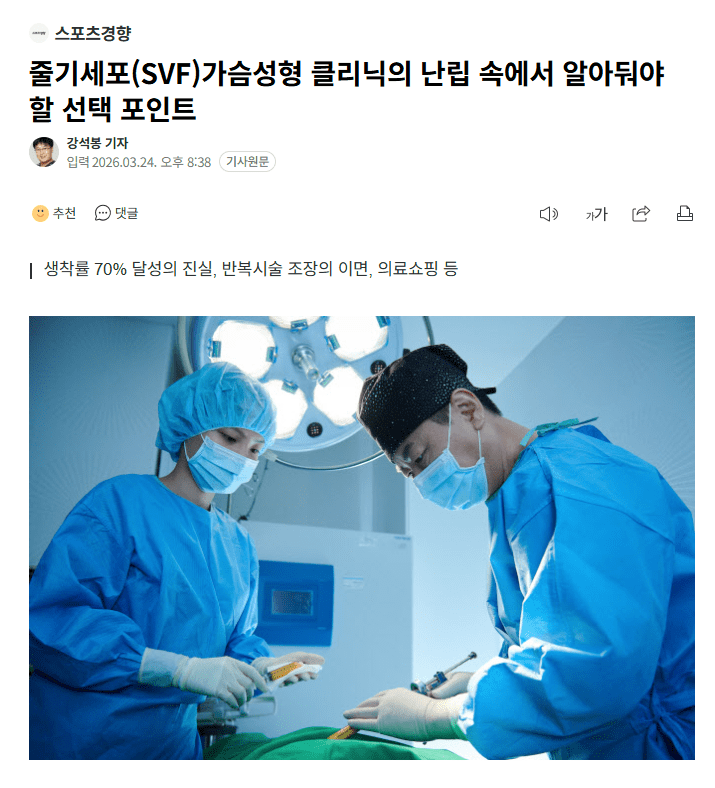
<source : sports kyunghyang>
Some clinics emphasize engraftment rates exceeding 70%, but such figures are only meaningful under specific clinical conditions, including:
- Quality of the patient’s adipose tissue
- Cell processing and isolation technology
- Sterile surgical environment and equipment
- Operator experience and technical proficiency
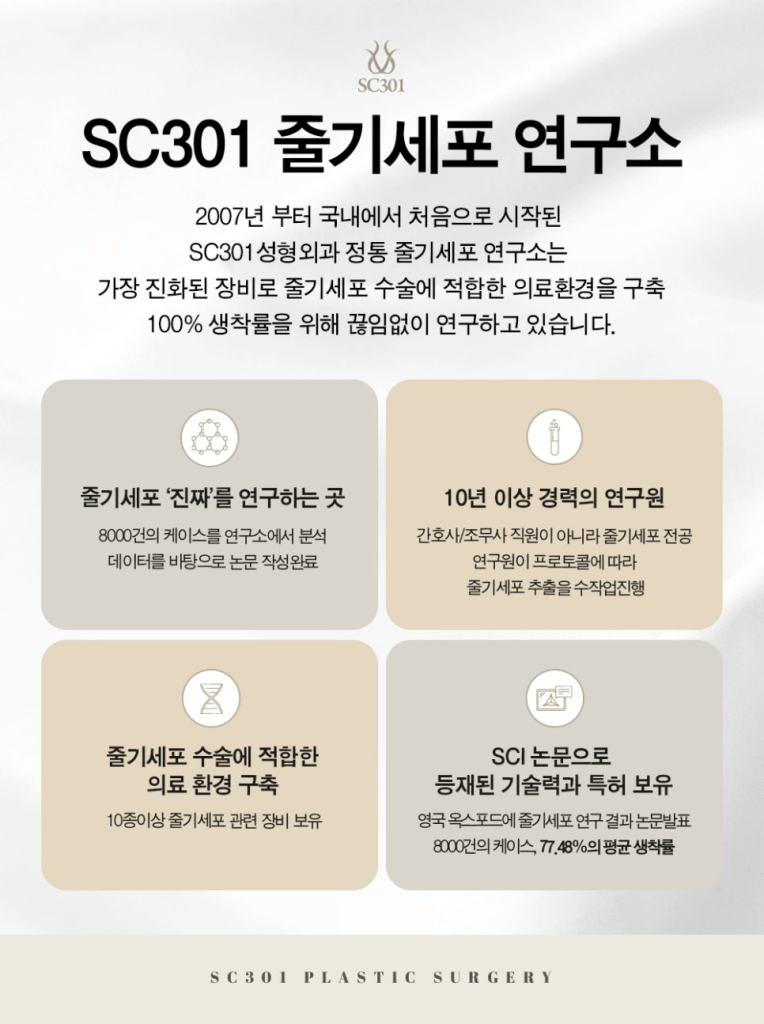
While certain institutions have reported engraftment rates above 70% in peer-reviewed international journals,
these outcomes are derived from controlled conditions and accumulated clinical data.
Therefore, relying solely on numerical claims without context may
limit the accuracy of outcome expectations.
4. Repeat Procedures: Rationale and Potential Risks

Some providers promote multiple repeat procedures (2–7 sessions) to achieve desired volume.
However, repeated interventions may introduce several medical risks, including:
- Structural damage to breast tissue
- Inflammation and fibrosis
- Fat necrosis and oil cyst formation
- Gradual decline in engraftment efficiency
Repeated grafting may also deteriorate the tissue environment,
potentially reducing the likelihood of achieving optimal long-term results.
Thus, decisions regarding additional procedures should not be based on frequency alone, but rather on
comprehensive evaluation of tissue recovery and adipose conditions.
5. Distinguishing PRP from Stem Cell-Based Procedures
Platelet-Rich Plasma (PRP) is sometimes presented interchangeably with stem cell therapies; however, the two differ significantly in their biological mechanisms.
- PRP: Primarily delivers platelet-derived growth factors
- SVF: Contains a diverse population of cells, including stem cells
Accordingly, SVF-based procedures represent a
multicellular regenerative approach, rather than a single-factor enhancement.
6. Regulatory Framework: Cell Processing Facilities vs. Advanced Regenerative Medical Institutions

Understanding stem cell procedures requires distinguishing between two regulatory concepts:
① Cell Processing Facilities (Regulated by MFDS)
- Responsible for cell harvesting, processing, and storage
- Directly related to procedural quality
② Advanced Regenerative Medical Institutions (Designated by MOHW)
- Authorized to conduct high-risk cell and gene therapy research and treatments
In summary:
Cell processing facilities relate to technical execution capabilities
Advanced institutions relate to clinical application authorization
These roles are distinct, and neither alone is sufficient to fully evaluate procedural quality.
7. Limitations of Price-Oriented Medical Decision-Making
Although stem cell breast augmentation procedures may appear similar on the surface, actual outcomes can vary significantly depending on:
- Liposuction techniques
- SVF extraction and concentration methods
- Injection strategies and layering techniques
- Post-procedure management protocols
Therefore, selecting a clinic based solely on cost may
reduce predictability and consistency of outcomes.
Patients are encouraged to consider
technical expertise, clinical data, and system quality rather than price alone.
Stem cell (SVF) breast augmentation extends beyond conventional cosmetic procedures and aligns more closely with
regenerative medicine-based interventions.
Key considerations when evaluating this procedure include:
- Validity and evidence behind engraftment rates
- Justification for repeat procedures
- Quality of cell processing systems
- Clinical experience and data accumulation
Ultimately, differences in outcomes arise not from the procedure itself, but from
the system, technology, and expertise behind it.
 SC301의원
댓글 남기기