Thigh Liposuction: Key Factors That Determine Results

Hello, this is SC301 Clinic.
The thighs are one of the areas where fat tends to accumulate easily,
yet can be difficult to improve through exercise or diet alone.
For this reason, liposuction is one of the most commonly considered procedures for this region.
Many patients visit us with concerns such as:
- “Even with consistent exercise, my thigh size doesn’t change.”
- “Certain areas look disproportionately bulky, affecting my overall body line.”
Today, we will explain the principles and process of thigh liposuction,
as well as the key factors that influence optimal outcomes, from a clinical perspective.
Overview of Thigh Liposuction
Thigh liposuction is a procedure that removes excess fat cells
from the subcutaneous fat layer to improve the contour and proportion of the lower body.
Rather than simply removing fat, it is important to consider:
- Body proportions
- Muscle distribution
- Skin elasticity
A personalized treatment plan based on these factors is essential for achieving balanced results.
The Key to Results: Precise and Controlled Fat Removal
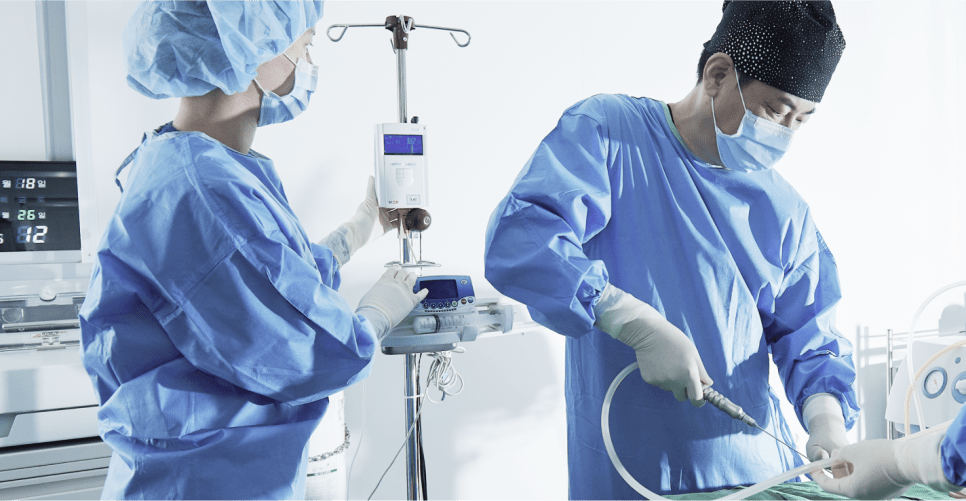
The most critical factor in thigh liposuction is not the amount of fat removed,
but rather the precision and balance of removal.
Excessive fat removal may lead to:
- Surface irregularities
- Tissue adhesion
- Skin laxity
Therefore, the surgeon must carefully assess:
- Subcutaneous fat thickness
- Skin elasticity
- Skeletal structure
and determine an appropriate and individualized fat removal volume.
The Importance of Equipment Selection
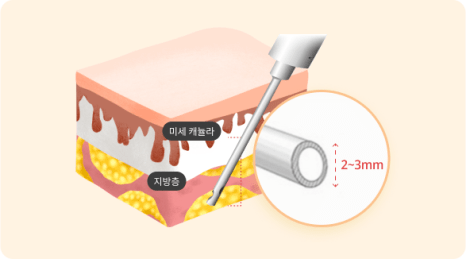
The cannula used in liposuction plays a significant role
in determining both precision and the extent of tissue trauma.
At SC301, we utilize ultra-micro cannulas (2–3 mm in diameter),
which offer the following advantages:
- Minimized tissue damage
- Reduced bruising and bleeding
- More even fat removal
- Easier recovery process
Thus, equipment selection is not just a technical detail,
but a key determinant of overall liposuction outcomes.
Recovery: A Crucial Phase in Outcome Formation

The period between 2 weeks to 1 month after liposuction
is critical for tissue stabilization and contour formation.
During this time, proper care is essential, including:
- Wearing compression garments
- Managing swelling
- Adjusting daily activities
The quality of post-procedure care can significantly influence
both recovery speed and final results.
Therefore, a structured aftercare system is essential.
Fat Reuse: SVF-Based Fat Grafting
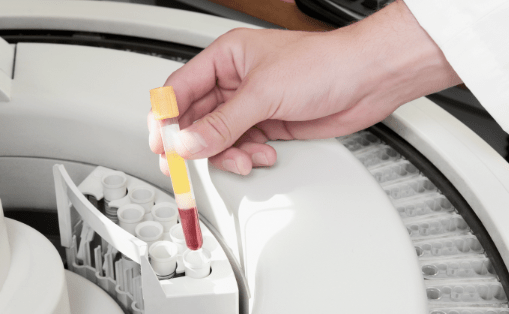
Fat extracted during liposuction can be processed
and reused for other areas of the body.
At SC301, we offer SVF (Stromal Vascular Fraction) fat grafting,
which allows for:
- Facial volume enhancement
- Body contour correction
This approach maximizes the clinical utility of harvested fat.
Cell Banking System: Flexible Future Options
For patients who are not ready to decide on fat grafting immediately,
SC301 provides a cell banking system.
SVF components are stored at -196°C for up to one year,
allowing patients to utilize them at a later time if needed.
This system offers
greater flexibility in long-term aesthetic planning.
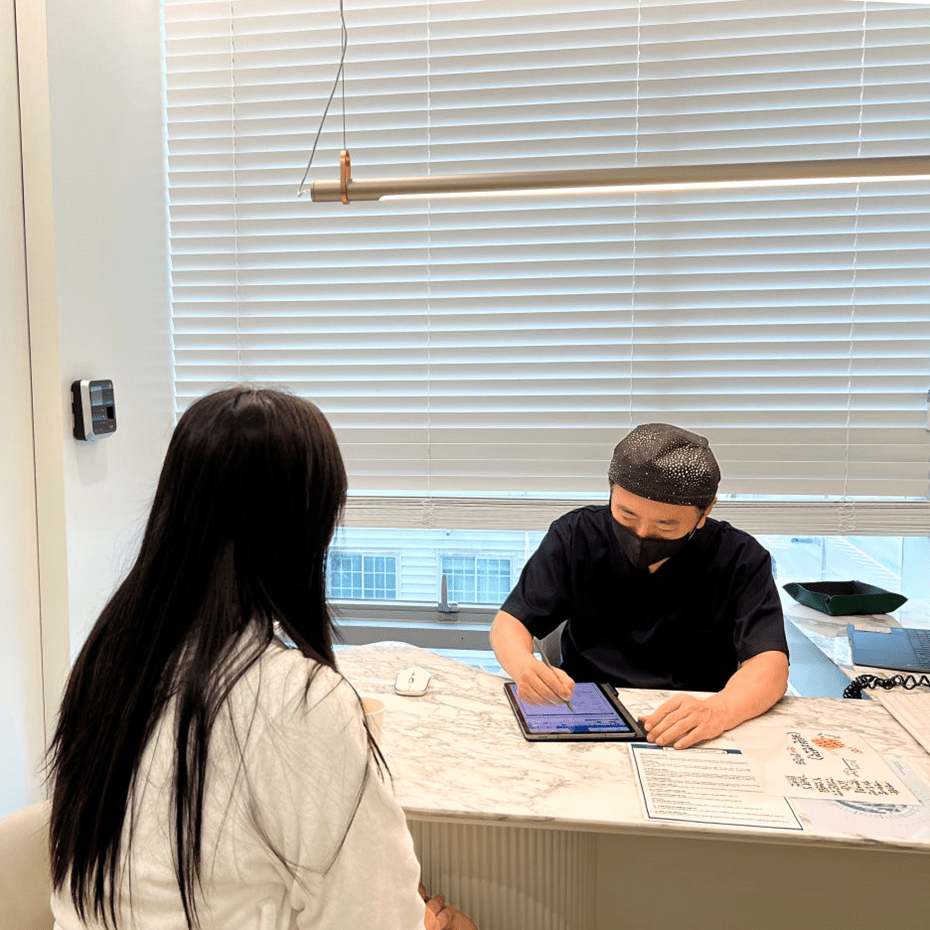
Thigh liposuction is not merely a fat removal procedure.
It is a comprehensive process that involves:
- Anatomical understanding and design
- Surgical precision
- Appropriate equipment selection
- Systematic post-operative care
- Secondary utilization of fat
If you are considering liposuction for the thighs, abdomen, arms, or other areas,
a thorough consultation is essential to develop a personalized plan.
At SC301, we aim to achieve balanced and reliable outcomes
through an integrated and patient-specific approach.
Thank you for reading.
 SC301의원
댓글 남기기